

Master of Regional Planning by Research
Engineering, manufacturing and construction
Drive change for regions of the future via research. The planning profession demands real-world solutions for the constantly changing environment we live in. Conduct research that advances the way town planners approach complex issues, and provide insights into the evolving needs of diverse communities and regions, in Australia and globally. In this program you will complete one required research course and an original thesis on a topic of your choice, from coastal management to water allocation
Official- Duration
- 2 years
- Qualification
- Masters Degree (Research)
- AQF 9
- Campus
- Petrie
- QLD · +4 more campuses
- Course code
- CRICOS 070697D
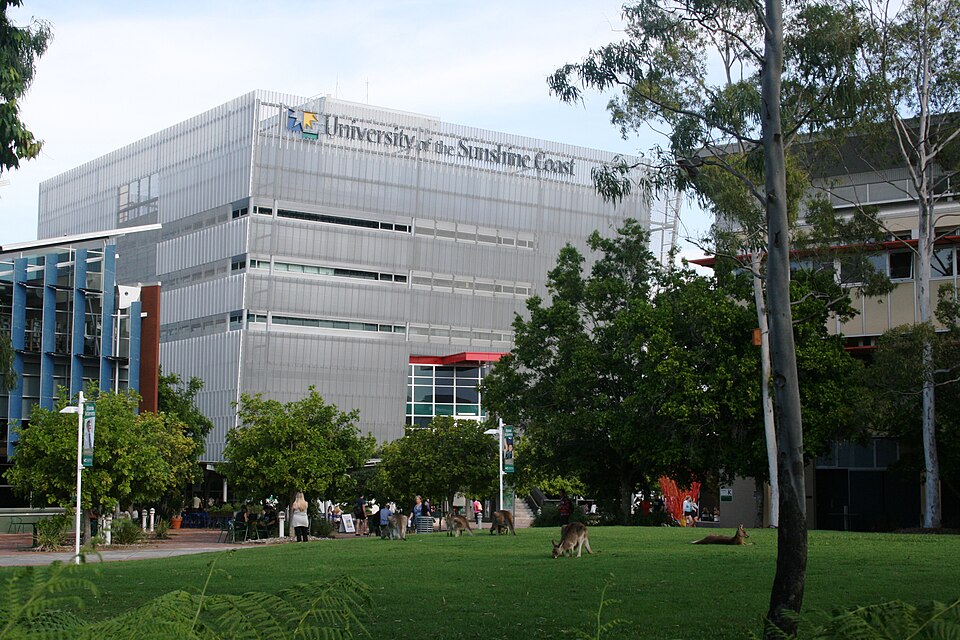
Campus images supplied directly by the institution.
Course overview
Drive change for regions of the future via research. The planning profession demands real-world solutions for the constantly changing environment we live in. Conduct research that advances the way town planners approach complex issues, and provide insights into the evolving needs of diverse communities and regions, in Australia and globally. In this program you will complete one required research course and an original thesis on a topic of your choice, from coastal management to water allocation and planning, urban planning, design issues, dispute resolution, and more. You will develop advanced skills in research design, analysis and written communication and advance the way town planners approach complex issues, and contribute to future planning practice.
Entry requirements
Requirements are recorded per intake year and per audience. Meeting them does not guarantee an offer.
1. To be eligible for admission to a research Master degree, an applicant must hold: (a) a Bachelor degree (AQF Level 7) with a Grade Point Average of 5. 0 or higher on a seven point scale from a recognised higher education institution; or (b) a Bachelor Honours degree (AQF Level 8) Class IIB from a recognised higher education institution; or (c) a record of qualifications and/or professional research experience deemed to be equivalent to the standard of (a) or (b) as may be approved by the Research Degrees Committee, or the Chairperson acting on behalf of the Committee. 2. Recognised bachelor-equivalent qualification; program-specific GPA, discipline or experience; English proficiency.
English language
Band minimums apply in addition to the overall score.
- IELTS AcademicOverall 6L 5.5 · R 5.5 · W 5.5 · S 5.5
Additional requirements
Academic entry requirement
To be eligible for admission to a research Master degree, an applicant must hold: (a) a Bachelor degree (AQF Level 7) with a Grade Point Average of 5. 0 or higher on a seven point scale from a recognised higher education institution; or (b) a Bachelor Honours degree (AQF Level 8) Class IIB from a recognised higher education institution; or (c) a record of qualifications and/or professional research experience deemed to be equivalent to the standard of (a) or (b) as may be approved by the Research Degrees Committee, or the Chairperson acting on behalf of the Committee.
Additional entry requirement
Recognised bachelor-equivalent qualification; program-specific GPA, discipline or experience; English proficiency.
Intakes and tuition
Tuition is recorded per intake with the institution's own basis. Superseded rows are kept so fee changes stay visible.
| Intake | Campus | Starts | Applications close | Tuition | For |
|---|---|---|---|---|---|
| 2027 · Rolling intake | — | — | — | $32,500per year | International students |
Where it is taught
References
Official course page, institution website and the sources behind this profile.
- Master of Regional Planning by Researchniusc.edu.au
- University of the Sunshine Coastunisc.edu.au
- CRICOS provider recordOfficial source
- QS World University Rankings 2027Official source
- Undergraduate program admission requirementsOfficial source
- International Study Guide 2026Official source
- Postgraduate admissions requirementsOfficial source